Wolsak & Wynn is a literary press that publishes challenging, enchanting, and unusual work that’s been overlooked by larger publishers.
About the Book
Baby Cerberus
The poems in Baby Cerberus are playful and joyous. They explore curiosity, wonder, and imagination through shared experiences and memories. From mythology to the tamagotchi, these poems traverse many experiences and invite the reader to join in.
Case Study
Hey! Just so you know: you can read a more in-depth analysis of my process creating this cover on Hadley House. (But if you’d prefer to just take a peek into the process, you can simply scroll down.)
Wolsak & Wynn gave me a cover brief that emphasized the importance of having a Cerberus puppy in at least one concept.
They also identified the book’s themes (pop culture, mythology, and feminism) and the tone they wanted to convey (“cute but dangerous, playful but literary, feminine without looking chick-lit, young and energetic”).
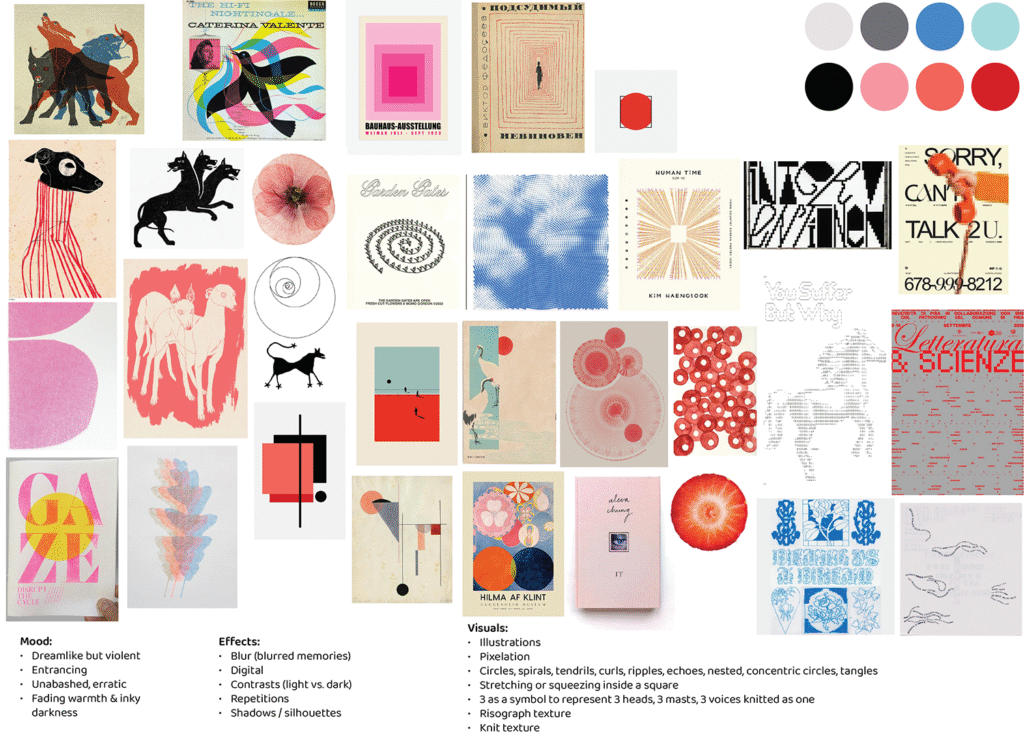
I created a mood board before starting the design process.
Concept #1
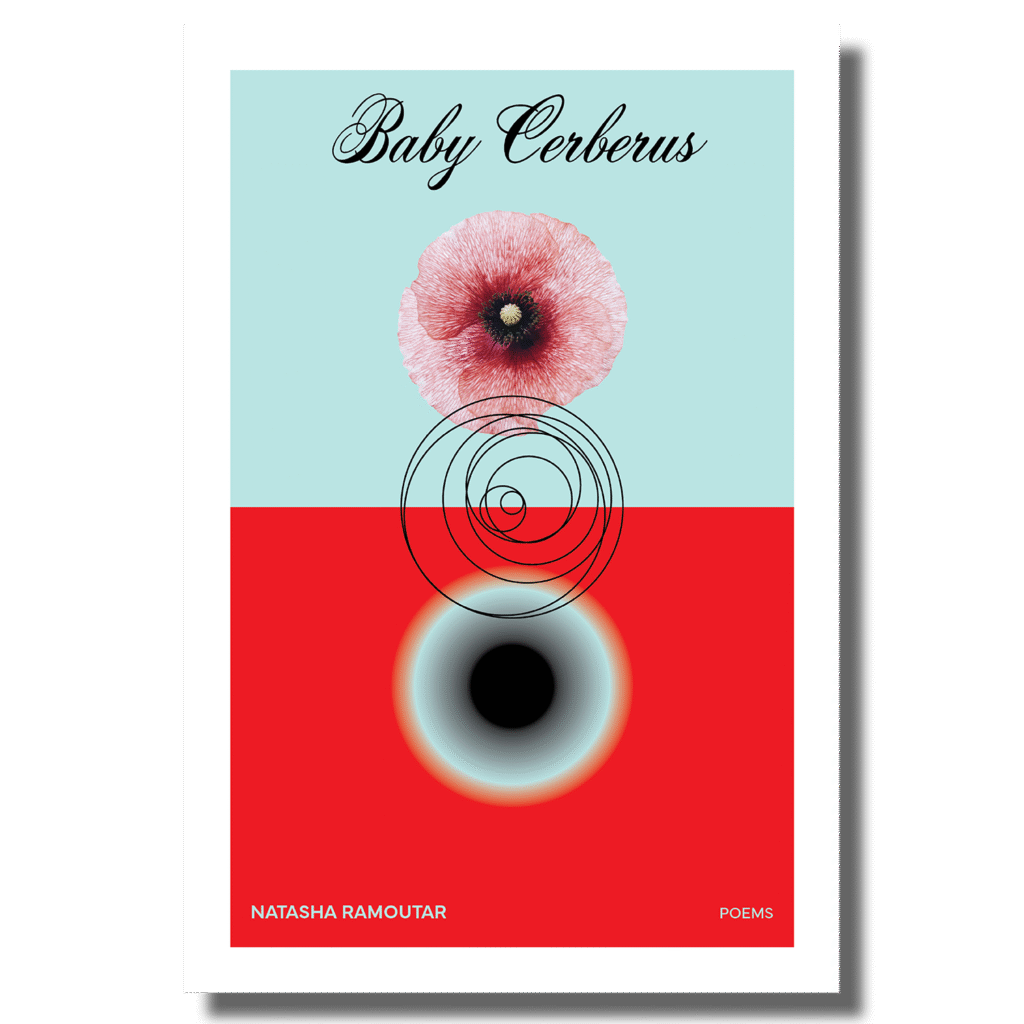
There’s a lot of imagery and symbolism in the collection relating to threes, spirals, circles, and poppies. This geometric cover alludes to these themes.
Concept #2
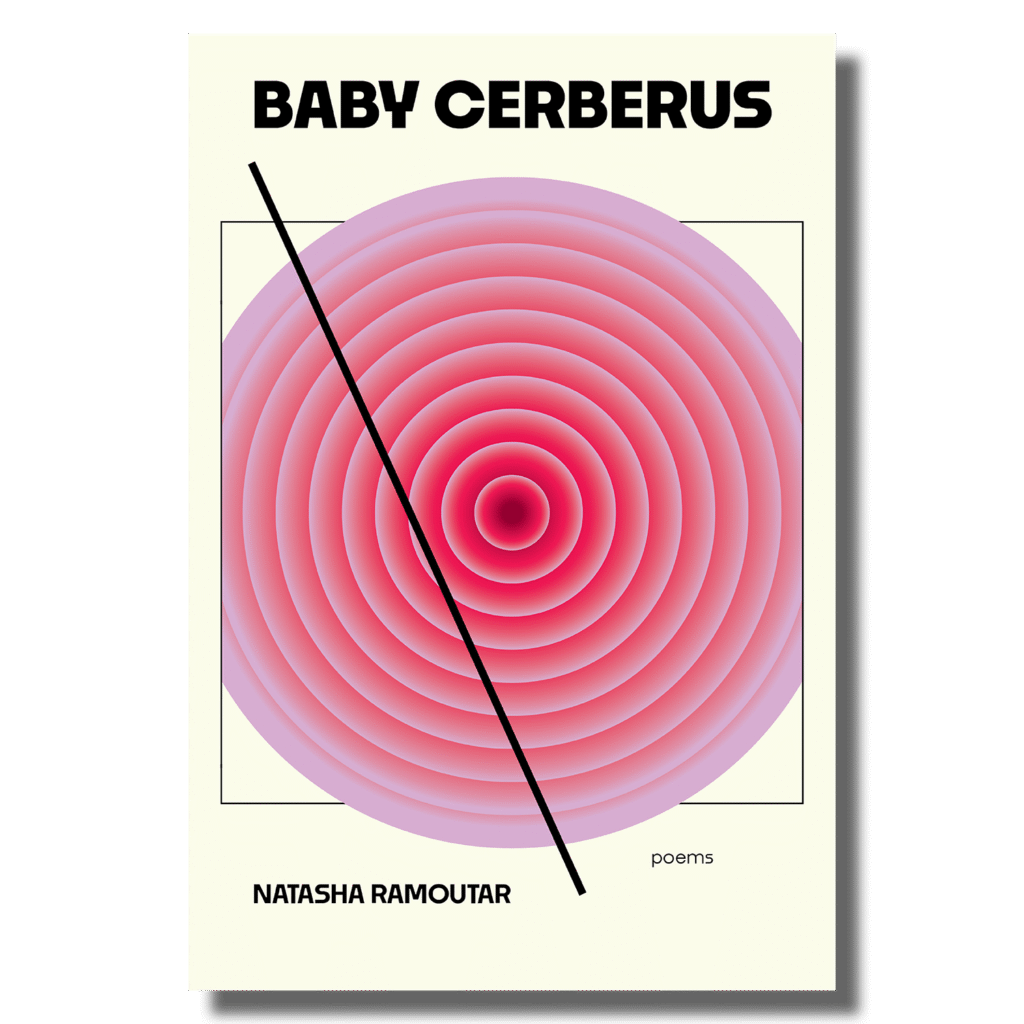
This geometric cover goes in a different direction, still capturing many of the themes in the previous cover, while bringing in another idea from the book that deals with trying to break free of borders.
Concept #3
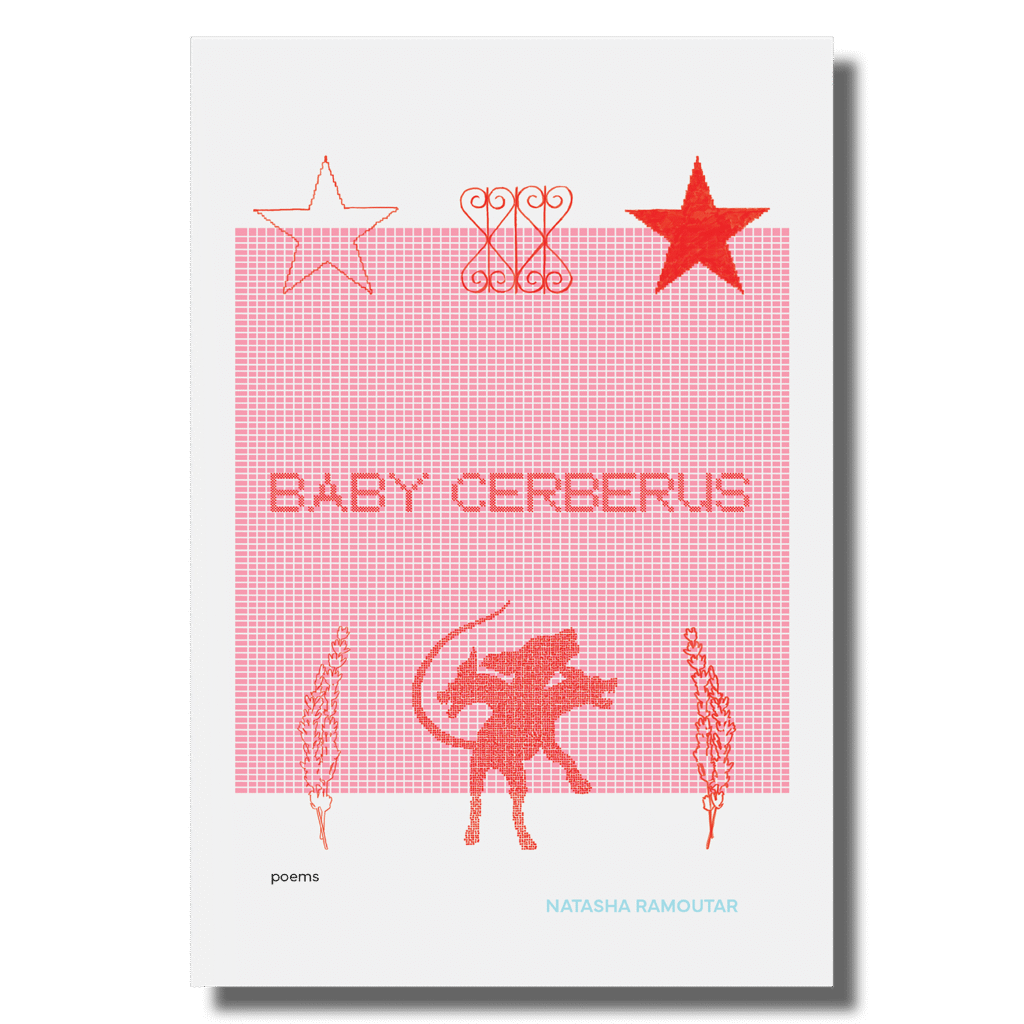
I was inspired by the poem “Tamagotchi” in the collection. The graphics allude to imagery in the book while serving as the icons on a Tamagotchi screen.
Concept #4
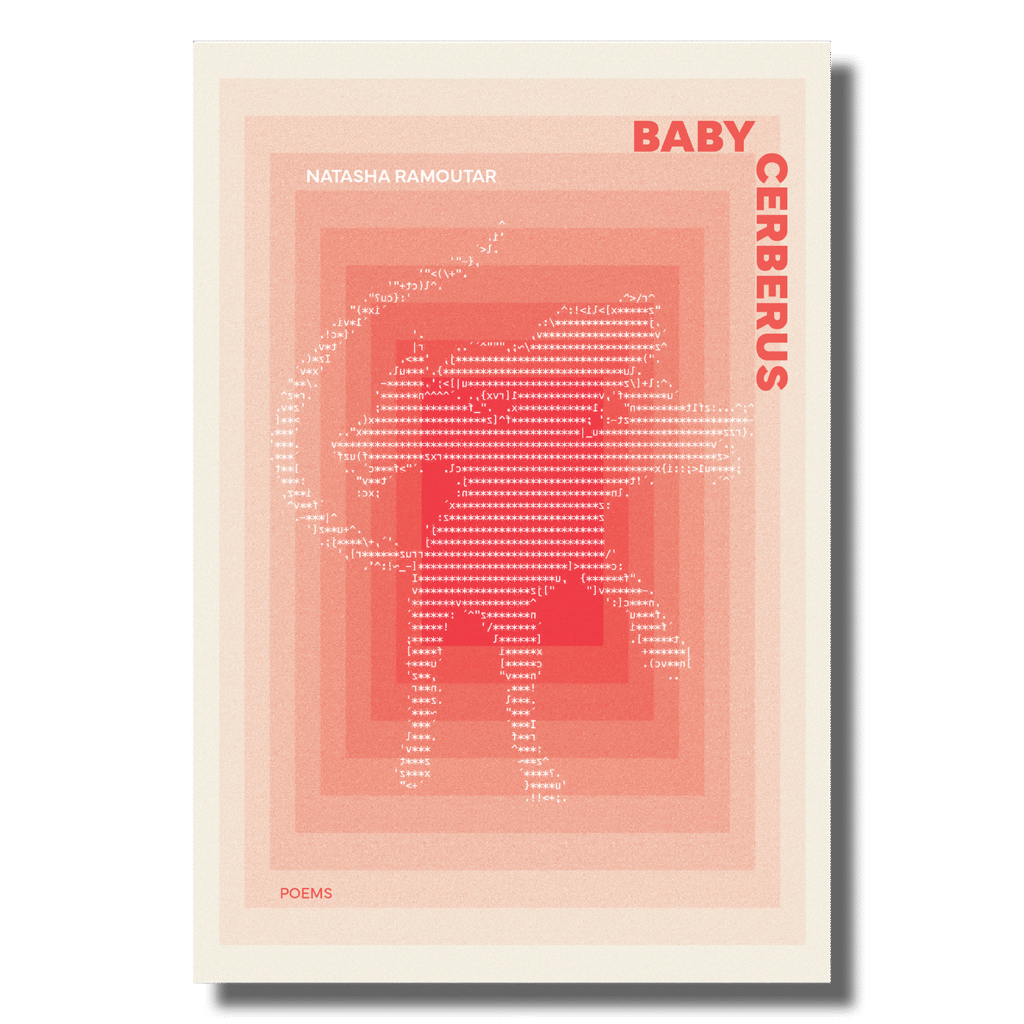
I used ASCII art for Cerberus to allude to the themes of echoes, stars, and digitality present in the collection.
The Final Cover
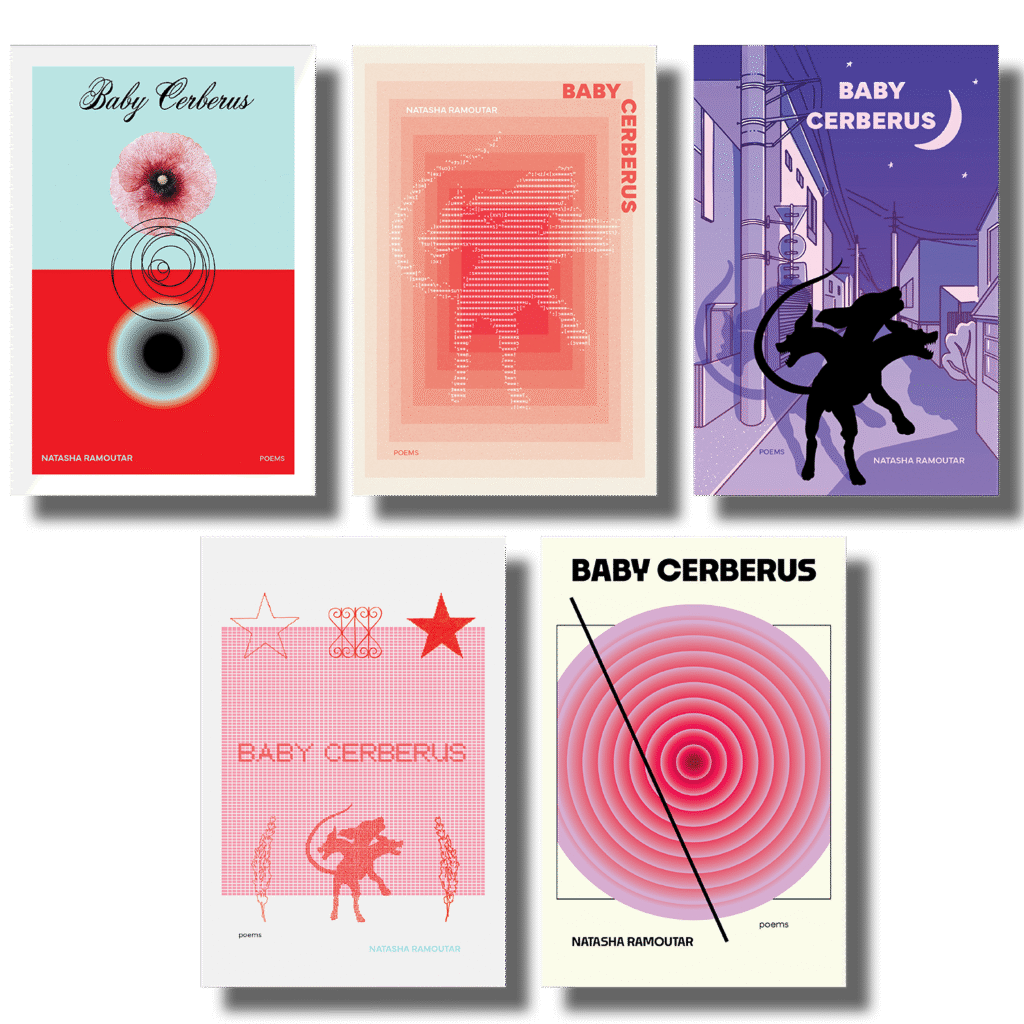
The author decided on a new design direction—this time with an emphasis on purple, line illustration, and more options with the Cerberus silhouette vector.
Credits
Art Direction Paul Vermeersch
Cover Art Adobe Stock
Cover Design Hadley Hendrix
Hadley Hendrix is creative, communicative, accommodating, and professional at each step of the design process.
I appreciated the mood boards she assembled for us, and the thoughtful annotations she provided with each design option.
I appreciated that she was able to work from, and adjust to, multiple streams of input and feedback—from her own response to the text, my initial editorial brief, and the author’s reaction to the proposed designs—all of which culminated in a final design that works beautifully for the book.